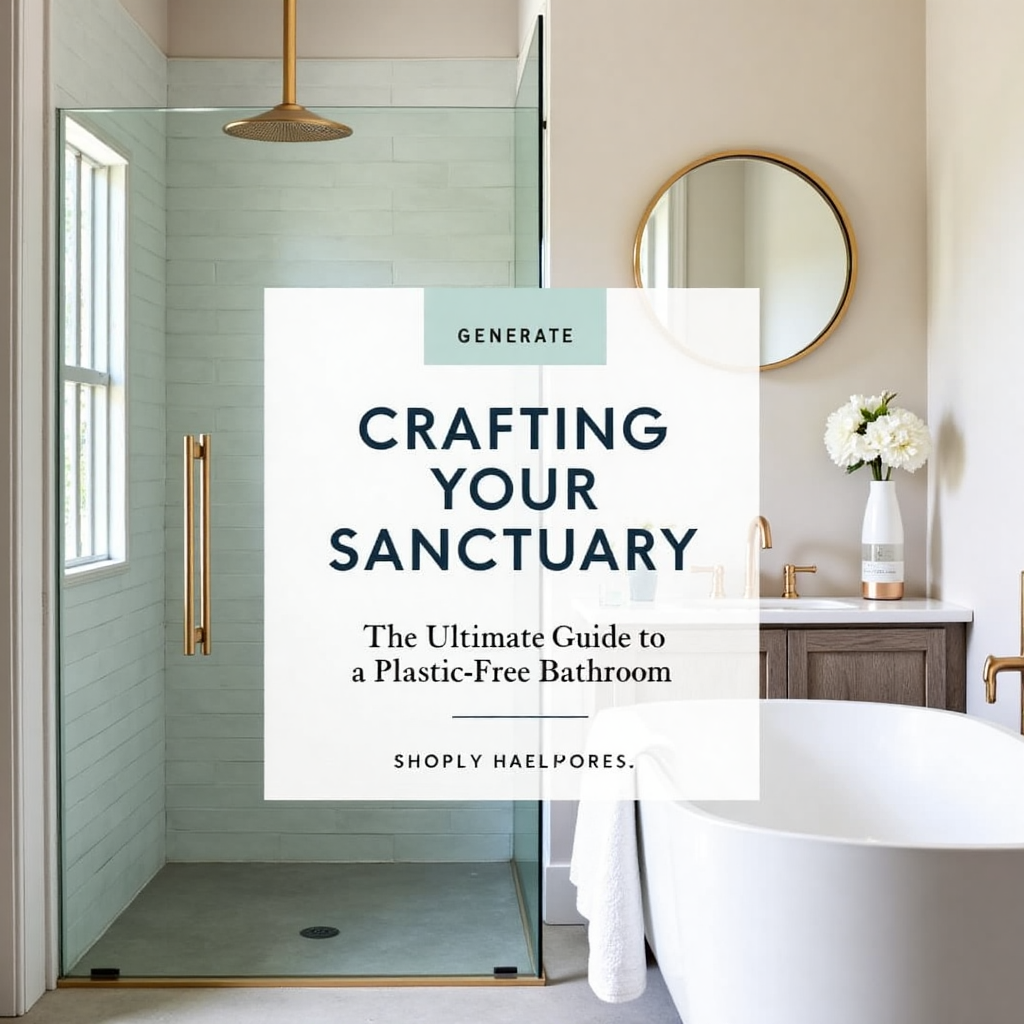
For many of us, the bathroom is a private sanctuary, a space for refreshment and self-care. Yet, lurking among the sleek bottles and colorful packaging is an unsettling truth: it’s often a haven for single-use plastics. From shampoo bottles and toothpaste tubes to disposable razors and cotton swabs, our daily routines generate a staggering amount of waste. Transitioning to a plastic-free bathroom is more than an eco-trend; it’s a profound step towards a healthier home and a lighter planetary footprint. This journey isn’t about perfection overnight but about mindful swaps, rediscovering simpler alternatives, and creating a space that truly nourishes both you and the environment.
Why Go Plastic-Free in the Bathroom?
The environmental argument against plastic is well-documented, but the bathroom presents unique challenges. Many bathroom plastics are small, often contaminated with product residue, and notoriously difficult to recycle. They end up in landfills or our oceans, breaking down into microplastics that infiltrate ecosystems and our own food chains. Beyond the waste, there are personal health considerations. Plastics, especially when exposed to heat and humidity in a shower, can leach chemicals like phthalates and BPA into products. By choosing plastic-free alternatives, you’re not just reducing trash; you’re often opting for natural, minimally processed ingredients that are gentler on your skin and body. It’s a holistic shift towards purity and intentionality.
Room-by-Room Swaps: Building Your Plastic-Free Haven
Transforming your bathroom can feel daunting, but the key is to start slow. Use up what you have, then replace items one by one as they run out. This approach is sustainable for both the planet and your wallet.
The Shower & Bath Zone
This is the epicenter of bathroom plastic. Here are the most impactful swaps:
- Shampoo & Conditioner: Ditch the bottles for shampoo and conditioner bars. They are concentrated, last 2-3 times longer than liquid versions, and come in minimal paper packaging. For liquid lovers, seek out refill stations at local zero-waste shops.
- Body Wash: Switch to a luxurious bar soap. Today’s artisan options are formulated with nourishing oils like olive, coconut, and shea butter, leaving skin clean and moisturized—not stripped.
- Loofahs & Scrubs: Replace plastic mesh poufs with natural loofahs (a compostable plant), konjac sponges, or washcloths made from organic cotton or bamboo.
The Sink & Dental Care
Oral hygiene is a major source of plastic waste, but innovation is thriving here.
- Toothbrush: Swap your plastic brush for one with a bamboo handle and plant-based bristles (like castor bean). The handle can be composted after use.
- Toothpaste: Choose toothpaste tablets you chew and brush with, or powder in a glass jar. Both are highly effective and eliminate the non-recyclable tube.
- Floss: Traditional floss is nylon coated in plastic. Opt for silk or bamboo fiber floss in a refillable glass container.
Skincare, Hair Removal & Beyond
The details make the difference. Consider these often-overlooked items:
- Cotton Rounds & Swabs: Invest in reusable rounds made from soft cotton or bamboo. For swabs, brands now offer paper-stemmed versions with organic cotton tips.
- Razors: A safety razor is the ultimate plastic-free investment. The initial cost is higher, but the durable metal handle lasts a lifetime, and you only replace the inexpensive, recyclable metal blades.
- Deodorant: Many plastic-free deodorants come in compostable cardboard push-up tubes or small glass jars with cream formulas.
- Menstrual Care: Consider reusable options like menstrual cups (medical-grade silicone) or period underwear, which drastically reduce waste and save money in the long run.
Embracing the Mindset: Tips for a Sustainable Transition
Going plastic-free is as much about a shift in perspective as it is about swapping products. Embrace the concept of “refuse, reduce, reuse.” Start by refusing free samples or travel-sized toiletries. Reduce the number of products you use—do you really need ten different serums? Simplify your routine. Finally, reuse what you can. Repurpose glass jars for storing homemade scrubs or cotton rounds. Choose products with refillable or returnable packaging schemes offered by many eco-brands.
Remember, this journey is personal. Don’t succumb to “eco-guilt” if you can’t eliminate every plastic item immediately. Focus on progress, not perfection. Celebrate each small victory, whether it’s your first shampoo bar or finally mastering the safety razor. Support local businesses, artisans, and companies that are transparent about their ingredients and packaging. Your choices as a consumer send a powerful message about the demand for sustainable goods.
Conclusion: A Clearer Path Forward
Creating a plastic-free bathroom is a rewarding endeavor that aligns your personal care with your planetary values. It results in a cleaner, more serene space filled with products you can feel genuinely good about using. The process encourages mindfulness, reduces your exposure to potentially harmful chemicals, and significantly cuts down your contribution to the global plastic crisis. While the path may start with a simple bar of soap, it often leads to a deeper awareness of consumption habits that ripple into other areas of life. Your bathroom sanctuary, free from the clutter of plastic, becomes a true testament to living intentionally—one thoughtful, refreshing choice at a time.