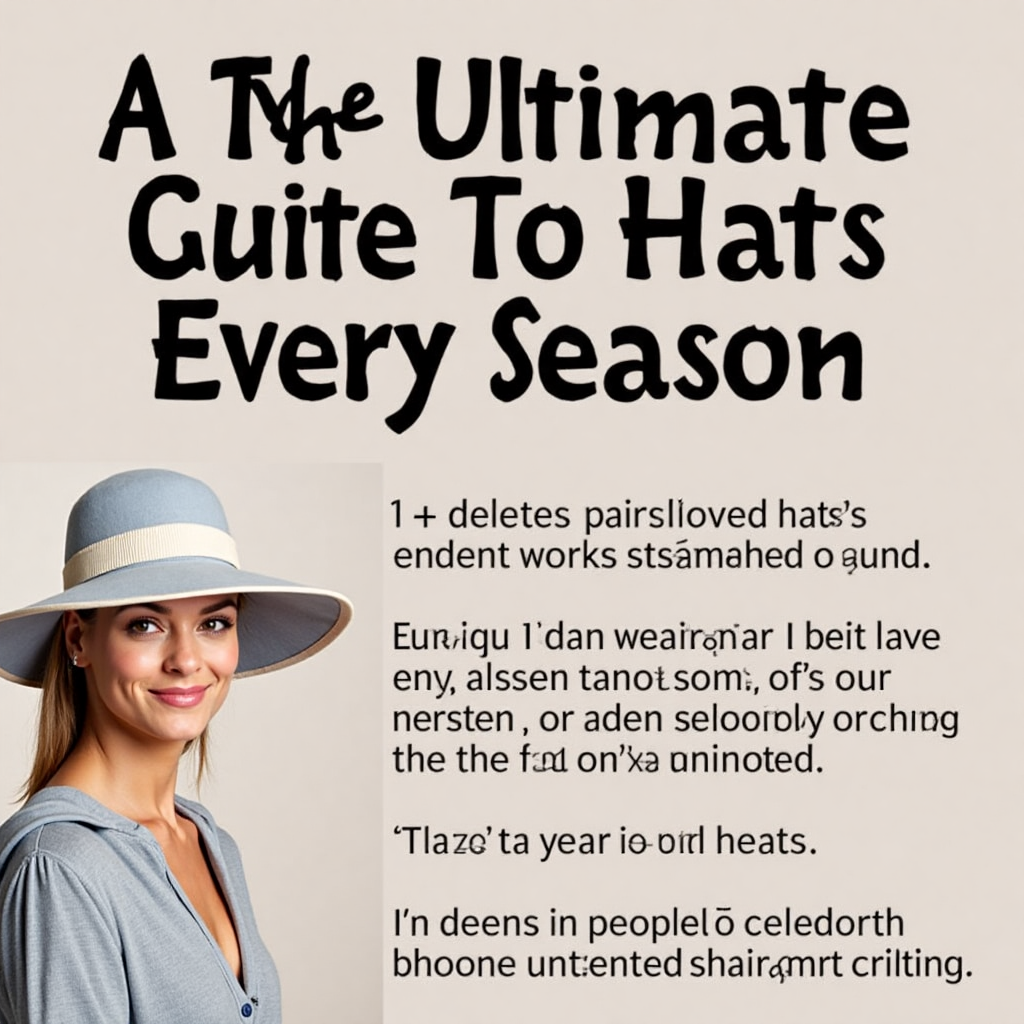
For centuries, hats have been more than mere head coverings; they are powerful statements of personal style, practical shields against the elements, and subtle indicators of occasion and season. As the weather shifts and nature cycles through its phases, our wardrobe choices naturally evolve. Footwear changes, layers are added or shed, and accessories adapt. Yet, the transformative power of a well-chosen hat is often underestimated. Selecting the right hat for the season isn’t just about staying warm or cool; it’s about harmonizing with the environment, expressing your aesthetic, and embracing functionality with flair. Whether you’re shielding your face from the summer sun, protecting your ears from winter’s bite, or simply adding that perfect finishing touch to your outfit, understanding the nuances of seasonal hat-wearing unlocks a new level of sartorial sophistication. This guide delves into the art and science of choosing the perfect hat for every time of year.
Spring: Awakening Style with Lightness and Color
Spring is a season of renewal, where nature bursts forth with vibrant colors and lighter textures. The air is crisp yet warming, demanding headwear that transitions seamlessly from lingering winter chills to the promise of summer sunshine. Spring hats should embody this sense of awakening – think breathable materials, lighter colors, and styles that feel fresh and optimistic.
Key Spring Hat Styles
- Fedoras: A classic choice, fedoras in lighter materials like straw, raffia, or soft felt (like wool felt in lighter weights) are perfect for spring. Opt for neutral tones like tan, beige, or grey, or embrace spring pastels like soft pink, lavender, or mint.
- Trucker Hats & Baseball Caps: Casual and effortlessly cool, these hats are ideal for weekend outings, gardening, or running errands. Look for cotton twill or canvas fabrics, often featuring seasonal motifs or lighter color palettes.
- Bucket Hats: Making a strong comeback, bucket hats offer sun protection with a relaxed vibe. Choose lightweight cotton, linen, or even nylon for rainy spring days. Patterns like florals, gingham, or subtle stripes are quintessentially spring.
- Wide-Brimmed Sun Hats: As the sun gains strength, wide-brimmed hats become essential. Floppy straw hats, raffia styles, or even fabric hats with a sturdy brim provide excellent shade for the face and neck. Look for vented designs for breathability.
- Berets: A lighter-weight beret in cotton or a thinner wool blend can add a touch of Parisian chic to spring outfits. Pair with trench coats or lightweight knits.
Material Matters in Spring
Breathability is paramount. Natural fibers like straw, raffia, cotton, and linen allow air circulation, preventing your head from overheating during warmer spells. These materials also tend to be lighter and less bulky than their winter counterparts. Water-resistant materials like treated cotton or nylon can be practical for those inevitable April showers. Avoid heavy felts or dense knits that are better suited for colder months.
Styling Tips for Spring Hats
Spring is the perfect time to experiment with color and pattern. Don’t shy away from brighter hues or playful prints that reflect the season’s energy. Pair a pastel bucket hat with a denim jacket and white jeans, or a floral-printed sun hat with a breezy maxi dress. A neutral fedora can anchor a patterned blouse or add sophistication to a simple sweater and skirt combo. Remember, spring dressing is often about layers, so ensure your hat complements the lighter fabrics and potential for shedding outerwear as the day warms up.
Summer: Beating the Heat with Breezy Protection
When summer arrives in full force, the primary concerns for headwear shift dramatically towards sun protection, ventilation, and keeping cool. The intense UV rays demand hats that shield the face, neck, and scalp effectively. At the same time, stifling heat necessitates materials and designs that promote airflow. Summer hats should be your stylish allies against sunburn and overheating.
Essential Summer Hat Styles
- Straw Hats: The quintessential summer hat. Panama hats (fine, tightly woven straw) offer elegance and excellent sun protection. Wider-brimmed straw hats (like floppy garden hats or boaters) provide maximum shade. Look for natural straw colors or bleached white.
- Raffia Hats: Similar to straw but often with a slightly more textured, natural look, raffia hats are lightweight and breathable. Great for beach days and casual summer outings.
- Wide-Brimmed Fabric Hats: Hats made from lightweight cotton, linen, or even UPF-rated synthetic fabrics offer style and sun safety. Floppy brims are popular, but structured wide-brims can also be chic.
- Bucket Hats: A summer staple, especially in lightweight cotton or quick-drying nylon. They offer 360-degree sun protection and pack easily for travel.
- Visors: For those who want sun protection but maximum ventilation on top, visors are a practical (and often sporty) option.
- Baseball Caps & Trucker Hats: Remain popular for casual, everyday summer wear, especially with mesh backs for breathability.
Prioritizing Sun Safety
Not all hats are created equal when it comes to UV protection. Look for hats with a wide brim (at least 3 inches all around) to effectively shade your face, neck, and ears. Darker underbrims can help reduce glare and reflected UV rays. Consider hats made from fabrics with a high Ultraviolet Protection Factor (UPF rating) – often 50+, which blocks over 98% of UV rays. Tightly woven straw, like that found in quality Panama hats, naturally offers good protection.
Staying Cool and Comfortable
Ventilation is key. Look for hats with:
- Open Weaves: Straw and raffia hats often have natural gaps that allow heat to escape.
- Mesh Panels: Common in baseball caps and trucker hats.
- Vented Crowns: Some sun hats feature small eyelets or mesh sections at the top.
- Light Colors: White, beige, and light pastels reflect sunlight better than dark colors, which absorb heat.
Lightweight materials are non-negotiable. Avoid anything heavy, stiff, or insulating. Your summer hat should feel almost weightless.
Autumn: Embracing Warmth, Texture, and Transition
Autumn brings a sensory feast: crisp air, vibrant foliage, and the need for transitional warmth. As temperatures dip and winds pick up, hats shift towards offering more coverage and insulation, while still accommodating the milder days typical of the season. Autumn hats celebrate texture, deeper hues, and a sense of cozy sophistication.
Signature Autumn Hat Styles
- Felt Hats: Wool felt hats, such as fedoras, trilbies, and wide-brimmed styles (like floppy felt hats or gamblers), come into their own. They offer warmth, structure, and timeless style. Look for classic autumn colors: burgundy, forest green, navy, charcoal, camel, and rich browns.
- Tweed Caps: Newsboy caps, flat caps (like ivy caps or driver caps), and baker boy styles in tweed fabric are quintessential autumn headwear. The texture and pattern of tweed perfectly complement fall fabrics like flannel, corduroy, and wool.
- Beanies: Lightweight to medium-weight beanies become essential as the season progresses. Choose wool, acrylic blends, or cotton for earlier autumn, moving towards thicker knits for late fall. Cabled knits, ribbed styles, or slouchy fits offer variety.
- Berets: A slightly thicker wool beret adds a touch of European elegance and warmth. Pair beautifully with autumn coats and scarves.
- Leather or Suede Caps: Flat caps or newsboys in leather or suede offer a rugged, earthy feel perfect for autumn adventures.
Material Focus: Warmth and Texture
Autumn is all about embracing richer textures and materials that provide gentle warmth:
- Wool Felt: Provides structure, warmth, and a polished look.
- Tweed: Offers texture, pattern, and a classic heritage feel, often with inherent wind resistance.
- Knit (Wool, Cotton, Acrylic): Provides flexibility and comfort, ranging from light to medium warmth.
- Leather/Suede: Adds a touch of ruggedness and works well against autumn breezes.
These materials not only keep you warm but also visually align with the layered fabrics of autumn fashion – think sweaters, scarves, and jackets.
Autumn Styling: Layering and Color Palettes
Autumn hats excel at complementing layers. A felt fedora can add polish to a sweater and blazer combo. A tweed flat cap looks perfect with a flannel shirt and chore coat. A beanie becomes your best friend for casual weekend wear with hoodies and denim jackets. Embrace the season’s color palette – deep reds, oranges, yellows, greens, browns, and neutrals like grey, black, and cream. Your hat can either anchor a look with a neutral tone or provide a pop of seasonal color. Consider the occasion; a structured felt hat might be better for a dinner out, while a beanie is ideal for a pumpkin patch visit.
Winter: The Season of Cozy Insulation and Coverage
Winter demands the most from our headwear. The primary objectives shift unequivocally towards maximum warmth, protection against harsh elements (wind, snow, rain), and coverage for the ears and forehead. Style remains important, but functionality takes precedence. Winter hats need to be insulating, wind-resistant, and often waterproof or water-repellent.
Essential Winter Hat Styles
- Insulated Beanies: The undisputed champion of winter headwear. Look for thick knits using warm materials like wool (merino is excellent), fleece, or thermal acrylic blends. Styles with fleece linings or windproof panels offer extra protection. Cuffed, slouchy, or pom-pom styles are popular.
- Trapper Hats / Aviator Hats: Characterized by ear flaps that can often be tied up or down, and sometimes a neck flap. Made from materials like shearling (fleece with leather outer), faux fur, or heavy-duty water-resistant fabrics. Offer unparalleled coverage and warmth in extreme cold.
- Faux Fur Hats: Russian-style hats (Ushankas) or other faux fur styles provide significant warmth and a bold fashion statement. Ensure the faux fur is high quality for both look and insulation.
- Fleece Balaclavas: For the most extreme conditions or outdoor sports, balaclavas cover the entire head, neck, and often face, leaving only the eyes exposed. Usually made of thick fleece.
- Waterproof/Bombproof Beanies: Some modern beanies incorporate waterproof and windproof membranes (like Gore-Tex) while maintaining warmth, ideal for wet winter conditions or skiing/snowboarding.
- Structured Wool Hats: Fedoras or cloches in thicker, winter-weight wool felt can still work for milder winter days or more formal winter occasions.
Material Matters: Battling the Cold
Choosing the right material is critical for winter warmth:
- Wool: Natural insulator, even when wet. Merino wool is soft, warm, and moisture-wicking.
- Fleece: Synthetic, incredibly warm for its weight, quick-drying, and often used as linings.
- Faux Fur: Provides excellent insulation and a wind barrier.
- Shearling: Leather on one side, soft fleece on the other. Naturally warm and wind-resistant.
- Waterproof/Windproof Membranes: Essential for active winter pursuits in wet or windy conditions.
Look for hats with features like wind flaps over the ears, snug fits to prevent heat loss, and moisture-wicking properties if you’ll be active.
Winter Styling: Function Meets Fashion
While warmth is paramount, winter hats can still be stylish. Coordinate your beanie color with your coat or scarf. A faux fur hat adds glamour to a winter evening look. Trapper hats offer a cozy, adventurous vibe. Don’t forget about practicality – a hat that can withstand snow, rain, or wind without compromising warmth is essential. Ensure your hat fits comfortably under a hood if needed. Darker colors are practical for winter, but don’t be afraid of jewel tones or classic neutrals.
The Year-Round Hat Wearer: Versatility and Care
While certain hats are undeniably seasonal staples, some styles possess remarkable versatility, bridging the gap between seasons or adapting to slightly different climates. Understanding these crossover hats and how to care for your collection ensures longevity and enjoyment.
Transitional Hat Heroes
- The Classic Fedora: A lightweight wool or straw fedora can easily span spring, autumn, and even milder winter days. The material dictates its seasonal strength.
- The Beanie: From lightweight cotton for cool summer nights to thick wool for winter, beanies have a wide range. Choose the weight appropriate for the temperature.
- The Baseball Cap: A perennial favorite, suitable for spring, summer, and fall, especially in transitional weather. A wool or fleece-lined cap can even work for early winter.
- The Beret: Thinner berets work for spring and fall, while thicker wool versions can handle winter. Its shape offers a unique style throughout the year.
Caring for Your Hat Collection
Proper care extends the life and appearance of your hats:
- Straw/Raffia: Store in a cool, dry place, ideally in a hat box or on a hat stand to maintain shape. Avoid excessive moisture. Spot clean only; most are not washable. Protect from crushing.
- Felt (Wool): Brush regularly with a soft hat brush to remove dust. Store on a hat stand or stuffed with tissue paper to hold shape. Protect from rain; if wet, allow to dry naturally away from direct heat. Professional cleaning is recommended for stains.
- Tweed/Wool Knits: Follow care labels. Many can be hand-washed gently in cool water with wool detergent and laid flat to dry. Avoid wringing. Store folded or rolled to prevent stretching.
- Beanies (Knit): Often machine washable (check label) on gentle/cold. Lay flat to dry to prevent stretching. Store folded or rolled.
- Fleece/Faux Fur/Technical Fabrics: Follow manufacturer’s instructions. Many fleece and technical hats are machine washable. Faux fur often requires gentle hand washing or spot cleaning. Air dry.
Invest in proper storage – hat boxes, stands, or shelves – to prevent dust accumulation and deformation.
Conclusion: Your Year-Round Crowning Glory
Choosing the right hat for each season is an art form that blends practical necessity with personal expression. From the breezy sun shields of summer to the cozy, insulated protectors of winter, and the stylish transitions of spring and autumn, hats serve as indispensable accessories that complete our look while serving vital functions. Understanding the materials, styles, and considerations for each time of year empowers you to not only face the elements comfortably but also to do so with undeniable style. A hat is more than an afterthought; it’s the crowning glory of your outfit, capable of elevating your look, reflecting your mood, and adapting seamlessly to the world around you. So, embrace the changing seasons and explore the wonderful world of hats – your perfect head-topper for every weather and occasion awaits!